
Key Takeaways
- Push vs. Pull Configurations: Operators push barges on calm, inland waterways for direct steering control, but pull barges in open-ocean waters using 1,500- to 2,000-foot steel tow lines to absorb rough wave shocks.
- Bollard Pull Matters: Towing vessel selection hinges on bollard pull, the maximum continuous pulling force a tug applies to a static load, alongside horsepower, draft requirements, and automatic tension winches.
- Rigging and Stern Inspections: Thorough pre-transit inspections of towing bitts, corner fairleads, welds, and emergency wire release systems at the stern of the barge are essential to prevent mechanical failure at sea.
- Downtime Prevention: Proper tugboat sizing and rigging management protect project timelines and prevent costly marine construction or dredging delays that can run thousands of dollars per hour.
- Proven Marine Logistics: Partnering with an experienced marine transport company like Dann Ocean Towing ensures your equipment, cargo, and crew stay safe across coastwise and offshore routes.
____________________________________________________________________________
In marine construction and dredging, delayed cargo means thousands of dollars lost per hour. Executing a safe barge towing job requires more than just hooking up a cable and throttling forward. Whether moving heavy machinery across coastal waters or transporting bulk materials internationally, choosing the right tug and barge configuration protects your equipment, crew, and project timeline.
How do operators decide whether to push or pull a barge?
Operators push barges on calm, inland waterways for better control, while pulling on a tow line is standard practice for open-ocean transit.
The operating environment dictates the setup. In tight river channels, a barge towing company secures the towing vessel directly into a notch at the stern of the barge. This pushing method gives the captain direct steering control over the combined unit.
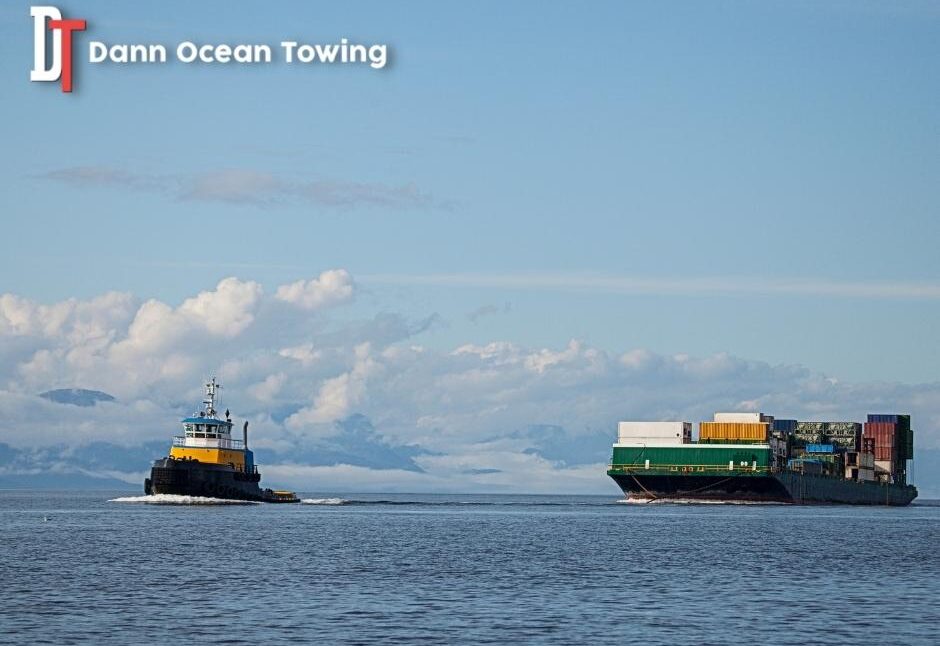
In open seas, heavy waves make pushing dangerous because strong swells can damage fixed connection points. Captains switch to towing a barge using a heavy steel wire tow line. This cable stretches several hundred feet behind the vessel, acting as a flexible shock absorber against rough ocean swells.
What key factors determine the right towing vessel for your project?
The primary factor is required bollard pull, which measures a vessel’s pulling power under actual load conditions.
Selecting professional barge towing services requires reviewing these technical items:
- Bollard Pull: Calculated in short tons to match deadweight tonnage and expected sea states.
- Horsepower and Fuel Capacity: Higher horsepower maintains speed against strong counter-currents during extended transits.
- Deck Winch Capability: Automatic tension winches manage cable slack during sudden weather shifts.
- Draft Requirements: Shallow-draft tugs work near shore, while deep-draft tugs handle open ocean routes.
Frequently Asked Questions
How long is a typical open-ocean tow line?
Open-ocean tow lines usually range from 1,500 to 2,000 feet in length. The extra cable weight sinks into the water, creating a natural spring effect that absorbs sudden surges caused by large ocean waves.
What is the main difference between inland and offshore barge towing?
Inland towing relies on rigid pushing setups in calm, narrow channels. Offshore towing uses long steel cables to pull barges across open seas, allowing both vessels to ride waves independently.
Why is bollard pull important when selecting a tug?
Bollard pull measures the maximum continuous force a tug can apply to a static load. It shows if a vessel can safely pull heavy cargo against strong tides and adverse sea conditions.
How do crew members inspect the stern of the barge before transit?
Crew members inspect towing bitts, emergency recovery gear, and corner fairleads at the stern. They check all weld points and emergency wire release systems to prevent mechanical failure during the trip.
Partner with Proven Ocean Transport Experts
Executing complex marine logistics demands proven experience and steady leadership on the water. With over 100 years of experience and fifth-generation leadership, Dann Ocean Towing provides reliable marine transport services tailored to your project goals.
From coastwise transport to specialty tug operations, our fleet handles your toughest offshore challenges.
TRUST US, YOU WILL BE MOVED.
Call 813-251-5100 for a project consultation or visit Dann Ocean Towing today.