
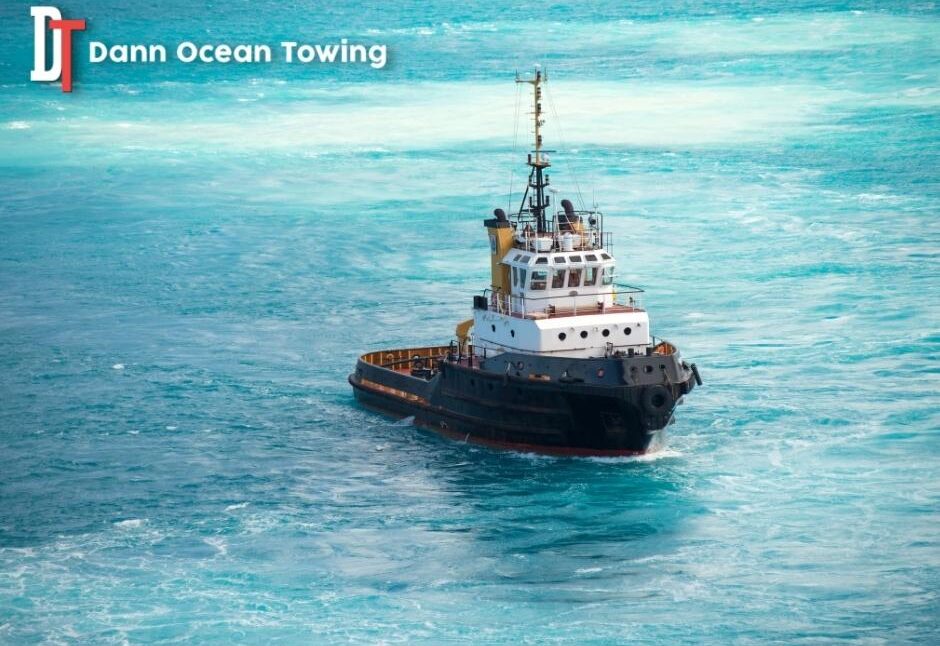
Key Takeaways
- Heavy-Duty Diesel Propulsion: Modern commercial tugboats utilize medium-speed diesel engines producing 3,000 to 10,000 continuous brake horsepower (BHP) at low RPMs, generating high torque rather than top speed to move heavy tonnage.
- 360-Degree Z-Drive Maneuverability: Azimuthal Stern Drive (ASD) Z-thrusters rotate 360 degrees under the hull, enabling instant vectoring, direct side-stepping, and precise stopping control without relying on traditional rudders.
- Bollard Pull Ratings: Engine power is measured in BHP, but actual static pulling capacity is rated in bollard pull tons, typically requiring ~60 short tons for harbor maneuvers and 80 to 120+ tons for heavy ocean towing.
- Essential Deck Safety Gear: Automated tension winches, quick-release hooks, cable pins, and heavy-density rubber fendering maintain stability and prevent line snap-backs or vessel capsizing during extreme swell surges.
- Risk & Downtime Prevention: Matching tugboat capability metrics directly to cargo deadweight, windage, and current velocity prevents costly port delays, structural dock damage, and transit hazards.
- Proven Marine Leadership: Partnering with experienced marine operators like Dann Ocean Towing ensures the right tug fleet and propulsion configuration are deployed for harbor, dredging, and offshore logistics.
____________________________________________________________________________
Selecting marine support vessels requires understanding clear mechanical performance figures rather than guessing. Knowing key tugboat facts helps harbor masters, dredging directors, and marine project managers pick the right equipment for heavy ship handling. Choosing the wrong vessel leads to costly port delays, dock damage, or dangerous mishaps during cargo transfers. Examining propulsion types, engine output, and force ratings lets you select ideal equipment for every job.
What engine systems power modern tug boats?
Heavy-duty diesel engines provide the continuous power modern tug boats need to move thousands of tons of cargo. These propulsion plants run at low operating revolutions per minute to generate massive torque instead of raw top speed.
Commercial tug propulsion centers on specific engine setups:
- Medium-Speed Marine Diesels: Operating between 600 and 1,000 RPM, these engines produce constant torque while resisting wear during long ocean runs.
- Dual-Engine Configurations: Most ocean-going tugs use twin main engines to drive two independent propellers. This setup offers redundancy if one engine fails.
- Total Horsepower Output: Modern commercial tugs produce between 3,000 and 10,000 continuous brake horsepower, depending on their mission.
High torque lets small tugs hold massive cargo ships steady against strong crosswinds and currents.
How does an azimuthal stern drive improve harbor maneuvering?
An azimuthal stern drive system mounts Z-drive thrusters under the hull that can rotate 360 degrees to direct thrust in any direction instantly. Traditional fixed-propeller tugs require a center rudder to change direction, which limits steering control when moving backward or sideways.
This omnidirectional propulsion changes how harbor tugs work in tight channels:
- Immediate Vectoring: Captains swing full engine power sideways or backward without changing engine direction or stopping propellers.
- Direct Side-Stepping: The vessel moves sideways against a ship hull to push or pull without swinging its bow around.
- Precise Stopping Power: Angling both thrusters outward provides maximum reverse thrust to stop heavy momentum quickly.
Eliminating traditional rudders lets Z-drive tugs operate safely inside crowded ports and tight canal locks.
How do you measure a tugboat’s pulling power?
Engine power is measured in brake horsepower, but actual pulling force is measured by bollard pull in short tons or metric tons. A static pull test measures the continuous force a vessel exerts on a shore-mounted tension gauge while operating at full throttle.
Calculating force needs involves evaluating several key factors:
- Deadweight Tonnage of the Tow: Larger vessels demand higher continuous line pull to overcome water resistance.
- Windage Surface Area: High-sided container ships act like giant sails, requiring added holding power in high winds.
- Sea State Considerations: Ocean swells create dynamic surge forces that demand extra safety margins in line strength.
- Current Velocity: Flowing water adds continuous drag that increases the minimum force required to hold a position.
A tug rated for 60 short tons of static pull can manage standard harbor docking, while ocean towing work often requires 80 to 120 tons of continuous force.
What safety features protect tugs during heavy towing operations?
Heavy towing operations expose vessels to extreme line tension, making stability controls and safety gear essential. A sudden surge in tension can capsize a weak vessel if equipment fails to release or adjust.
Essential deck equipment includes:
- Quick-Release Hooks: Hydraulic or manual release mechanisms let the crew drop tension instantly during emergencies.
- Automated Towing Winches: Tension-sensing winches pay out line during high surges to prevent snap-back risks.
- Goble Pins and Staple Guides: Metal pins direct the line path along the center deck line to preserve stability.
- Heavy Fendering: High-density rubber bumpers along the bow and sides cushion impacts during ship-assist moves.
Proper deck layouts keep crews safe while maintaining control over heavy loads under fluctuating sea conditions.
Frequently Asked Questions
What is bollard pull in simple terms?
Bollard pull measures the maximum pulling force a tugboat exerts on a fixed point at zero forward speed. It is the marine industry standard for rating a vessel’s raw pulling capability.
How fast do commercial tugboats travel?
Most commercial tugboats travel at top speeds between 10 and 15 knots when unencumbered. When pulling heavy cargo barges, working speeds drop to between 6 and 10 knots.
What makes Z-drive tugs different from traditional tugs?
Z-drive tugs use thruster pods that rotate 360 degrees under the hull. Traditional tugs use fixed propellers and rudders, which offer less control when moving sideways or backward.
Why do tugboats have large rubber fenders around the hull?
Rubber fenders protect both the tugboat and client vessels from structural damage during close contact. They absorb sudden impact forces when pushing large ships into port docks.
Work with Experienced Marine Transport Professionals
Choosing the right vessel configuration requires industry experience and proven fleet performance. With over 100 years of experience and fifth-generation leadership, Dann Ocean Towing delivers safe marine transport solutions across coastal and offshore waters. Whether you need harbor support, dredging assistance, or long-distance towing, our skilled crews and versatile vessels keep your operations on schedule.
TRUST US, YOU WILL BE MOVED.
Call 813-251-5100 for a project consultation or visit Dann Ocean Towing today.