
Key Takeaways:
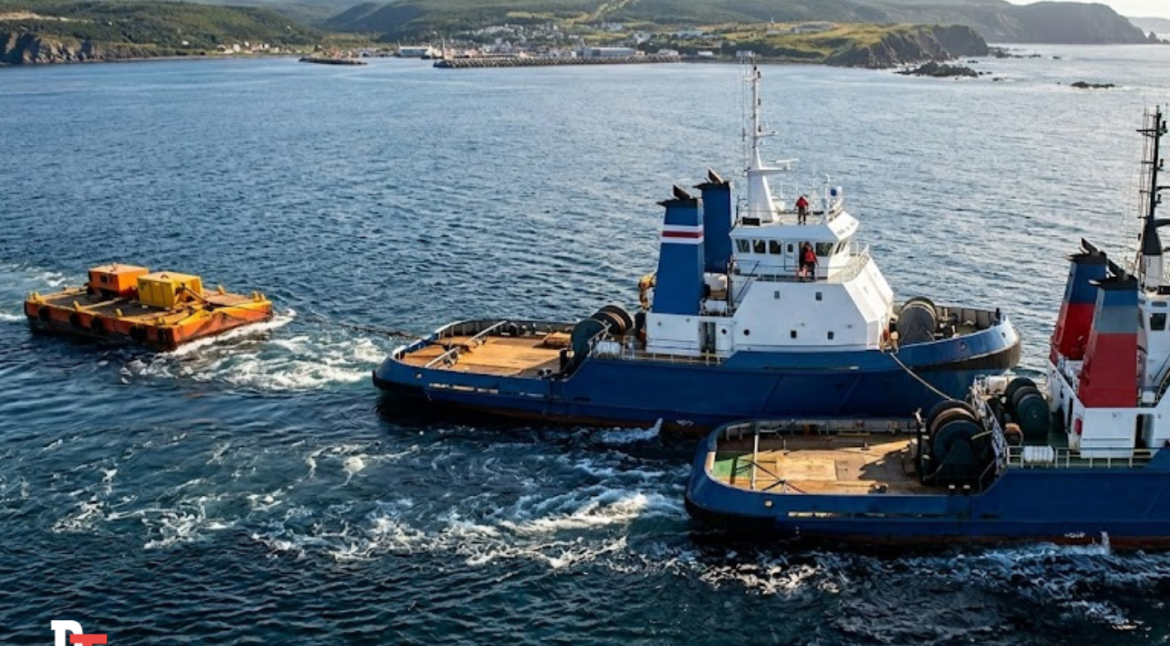
For most mega yacht transports, a tugboat with 3,000 to 5,000 horsepower is the industry standard. This range provides the necessary bollard pull to overcome windage and heavy swells during blue water towing. Additionally, any domestic transit between U.S. ports must utilize a vessel with Jones Act compliance and a valid coastwise endorsement.
___________________________________________________________________________________________________________________________________________________________
Moving a mega yacht isn’t just about logistics; it’s about protecting a masterpiece of engineering. Whether you’re relocating a vessel along the East Coast or across the Gulf of Mexico, the margin for error is razor-thin.
At Dann Ocean Towing, we know that the difference between a smooth voyage and a high-seas headache often comes down to one thing: matching the right horsepower to the mission.
Why Horsepower is the Ultimate Safety Net
In the world of marine transportation, horsepower isn’t just about speed; it’s about control. When a mega yacht is under tow, its high profile acts like a massive sail.
Without enough “muscle” on the front end, a sudden gust can allow the yacht to dictate the direction of the tug, rather than the other way around.
For serious marine operations, we typically look for tugs in the 3,000 to 5,000 HP range. This ensures that even if you encounter a 40-knot squall in the open ocean, the tug has the bollard pull required to keep the tow line taut and the yacht on course.
The Real-World Variables
Calculating the needed power isn’t just a math problem; it’s about anticipating the environment:
- The “Sail” Effect: A yacht’s superstructure catches wind. If the tug is underpowered, the yacht can “yaw” (swing side-to-side), which puts immense stress on the towing gear.
- Ocean vs. Coast: Blue water towing requires deeper drafts and higher bows to handle the vertical energy of open-ocean swells, whereas coastwise towing requires specific tugboat classifications to stay within legal and safety limits.
- Safety Margins: While the basic rule is one HP per ton of displacement, experienced teams at Dann Ocean Towing often double that. Why? Because the ocean rarely stays “basic.”
Navigating Regulations: The Jones Act & Beyond
If you are moving a yacht between two U.S. ports, say, from a shipyard in Virginia to a marina in Florida, you are entering the world of offshore towing regulations.
The Jones Act is a federal law that requires these moves to be handled by U.S.-built, owned, and crewed towing vessels. Beyond just being a legal hurdle, Jones Act compliance ensures that the crew is trained to Coast Guard standards and the vessel is equipped for the specific rigors of the American coastline.
Before you book, always verify that your provider has the proper coastwise endorsement to avoid heavy fines or insurance lapses.
Beyond the Engine: The Gear That Matters
You wouldn’t tow a Ferrari with a rusty chain, and you shouldn’t tow a mega yacht with standard barge gear. High-end towing services use:
- Synthetic Hawsers: These offer incredible strength with just enough “stretch” to act as a shock absorber.
- Soft Fendering: To ensure the yacht’s finish remains pristine during the hook-up.
- Tension Winches: These automatically adjust to the sea’s rhythm, preventing the line from snapping during heavy surges.
FAQs
What is the average speed of an ocean tow? Most ocean tows maintain a steady 6 to 8 knots. This is the “sweet spot” that balances fuel efficiency with enough speed to maintain steerage in heavy currents.
Does displacement affect tug selection? Absolutely. The tug must have enough mass and power to stop the yacht’s momentum. A tug that is too light can be “overrun” by a heavy yacht in a following sea.
Can any tugboat perform coastwise towing? No. The vessel must be documented with a coastwise endorsement, and the crew must hold specific Coast Guard licenses for those routes.
What happens if a tug is underpowered? If the tug can’t maintain at least 5 knots against the current, the yacht may begin to yaw. This increases the risk of the tow line snapping, leaving the yacht “not under command” and drifting.
Trust the Professionals at Dann Ocean Towing
With over 100 years of experience, Dann Ocean Towing treats every mega yacht like the prize it is.
As a fifth-generation family business, we combine old-school maritime values with modern technology to support everything from marine construction to luxury yacht transport.
TRUST US, YOU WILL BE MOVED. Call 813-251-5100 today for a project consultation.